Best Tips for Functional Furniture, for a Space That Actually Works for You
There is a specific kind of tired that comes from furniture that is technically fine but never quite right. The coffee table that is just a coffee table. The dining chair no one sits in. The ottoman I bought for storage that now just stores air, because I never got around to using it for anything.
I have learned that functional furniture is not about buying more storage or more folding parts. It is furniture that matches how I actually live, not how I live in the fifteen minutes before guests arrive, and not how a showroom trained me to sit on a couch I will never lounge on the way I do at home. Once I got that distinction right, everything else about furnishing my apartment got easier.
“Functional furniture is not furniture that does more. It is furniture that does what you actually need it to do.”
Key Takeaways: Best Tips for Functional Furniture
- Buy furniture that matches how you actually live, not how you think you should live or how a showroom staged it.
- Multi-purpose furniture is only functional if you genuinely use both functions regularly, not just might use for guests.
- The cheapest, fastest functional-furniture upgrade is looking at the dead space you already have (behind doors, behind a floating sofa, window sills) before buying anything new.
- Measure obsessively, including doorways, buy secondhand hard furniture but new upholstery, and read long-term reviews rather than launch-day ones.
- Start cheap and grow into better pieces over time instead of furnishing every room the week you move in.
- Skip furniture engineered to do too many things at once. Two or three genuinely multi-functional pieces beat five mediocre ones.
Start With How You Actually Live, Not How You Think You Should Live
Before I buy a single thing now, I ask myself who is actually in this space, and what do I actually do here. We cover the basics in how to furnish a small apartment.
Living alone changes everything. So does having a partner, kids, or pets. So does working from home. A lot of functional furniture advice assumes a household that does not match mine, and that is exactly how I ended up, early on, with a dining table I never ate at.
A few things I have learned to check first.
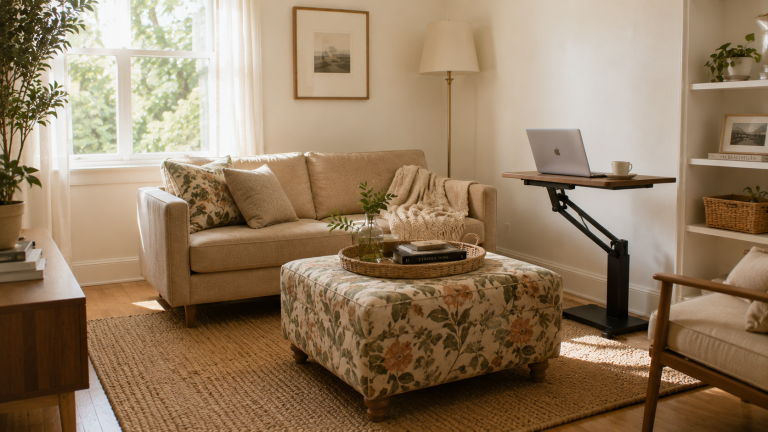
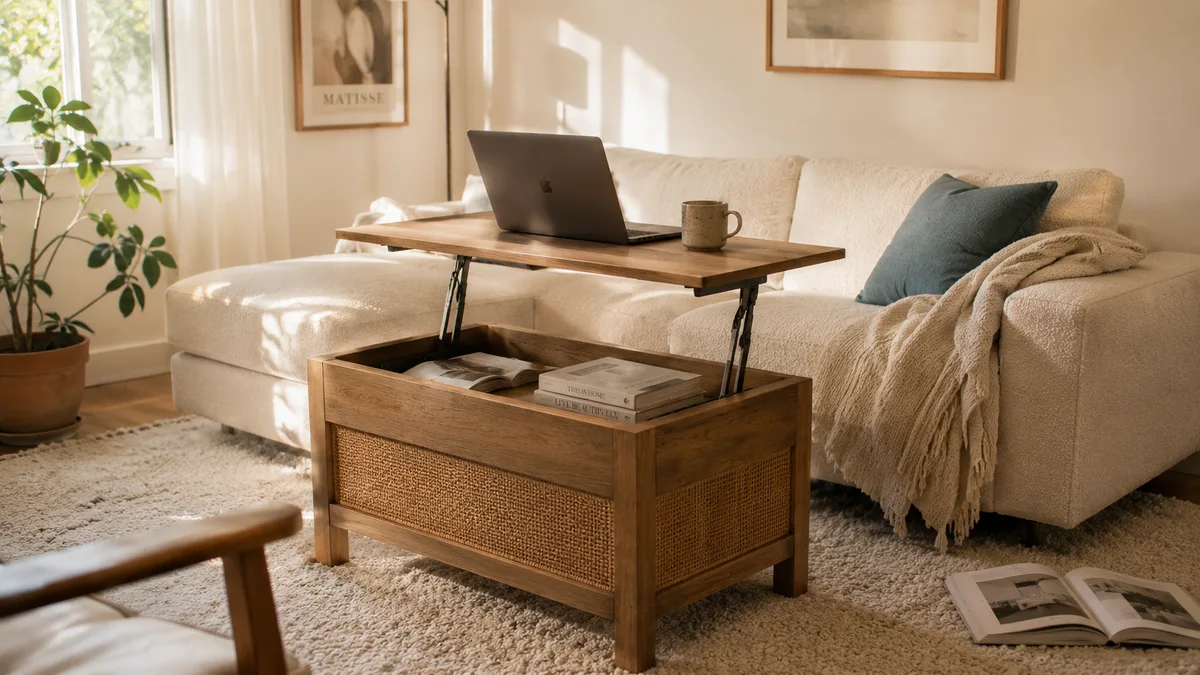
If you live solo and work from home, you probably do not need a dining table at all. A kitchen island with two stools can absorb both breakfast and lunch, and a lift top coffee table can become your actual desk.
If you live alone in general, consider skipping the footboard, the matching nightstands, and the heavy wooden dresser. A closet plus a couple of stackable fabric cubes for socks and odds and ends does the same job with a fraction of the furniture, and a fraction of the moving day pain.
If you are renting and know you will move again in a year or two, that is a reason to underfurnish now, not overfurnish. You do not have to fill every room the week you move in. I always try to live in a space first and notice how the light moves through it before I commit to anything expensive.
This is the step I used to skip, and it is the reason so much of my early functional furniture ended up functioning as nothing but a place to pile laundry.

The Multi Purpose Furniture That Is Actually Worth Buying
Here is the test I trust more than any marketing copy now. Multi purpose furniture is only functional if I genuinely use both functions. Not would use. Not might use for guests. Actually use, regularly. If I cannot picture myself using the second function inside the next month, it is not multi purpose, it is just a single purpose piece with a gimmick built in.
With that filter in mind, here is what has consistently earned its keep for me and for people I trust who have lived with these pieces long term.
Lift top coffee tables. This one comes up again and again from people who own one, not just people selling one. The top lifts to laptop or eating height, and drops back down for movie nights. Nobody walking into the room clocks that it is doing double duty. It is the rare multi purpose piece that does not look multi purpose. Real Homes came to the same conclusion testing lift-top tables for small spaces: they give you a genuine work surface without permanently sacrificing the room to a desk.
Extendable or drop leaf dining tables. I have heard from people whose table goes from about 110 centimeters for daily use to 220 centimeters when hosting, which is enough to comfortably seat far more people without permanently sacrificing floor space the other 360 days of the year. A gate leg table does something similar. Folded down, it is barely a couple of inches deep and can sit flush against a wall as a console. Opened, it seats two comfortably.
Storage benches and ottomans, with a specific condition. These only work if the thing inside gets used regularly, not shoved in and forgotten. A cedar lined chest doubling as a coffee table, an ottoman, and off season sweater storage is a great example, because all three functions are things I would actually use anyway.
Banquette seating. If you have got an awkward corner or a small dining nook, built in bench seating paired with a compact table seats more people than the equivalent set of chairs ever could, in the same footprint. It is a favorite trick of small space entertainers for a reason.
What I would skip now is furniture engineered to do three or four things at once. Somewhere between doing two things well and doing five things adequately, a room starts to feel like a puzzle instead of a home. I try to keep it to two or three genuinely multi functional pieces, and let everything else just be good furniture that does one job well.

The Dead Space I Am Already Paying Rent On
Before I buy anything new now, I look at the space I already have and am not using. This is the cheapest, fastest functional furniture upgrade there is, since most of it costs under twenty dollars and takes an hour.
The back of doors and cabinets. Hanging organizers here turn dead vertical space into real storage, and it works in kitchens, closets, and bathrooms alike.
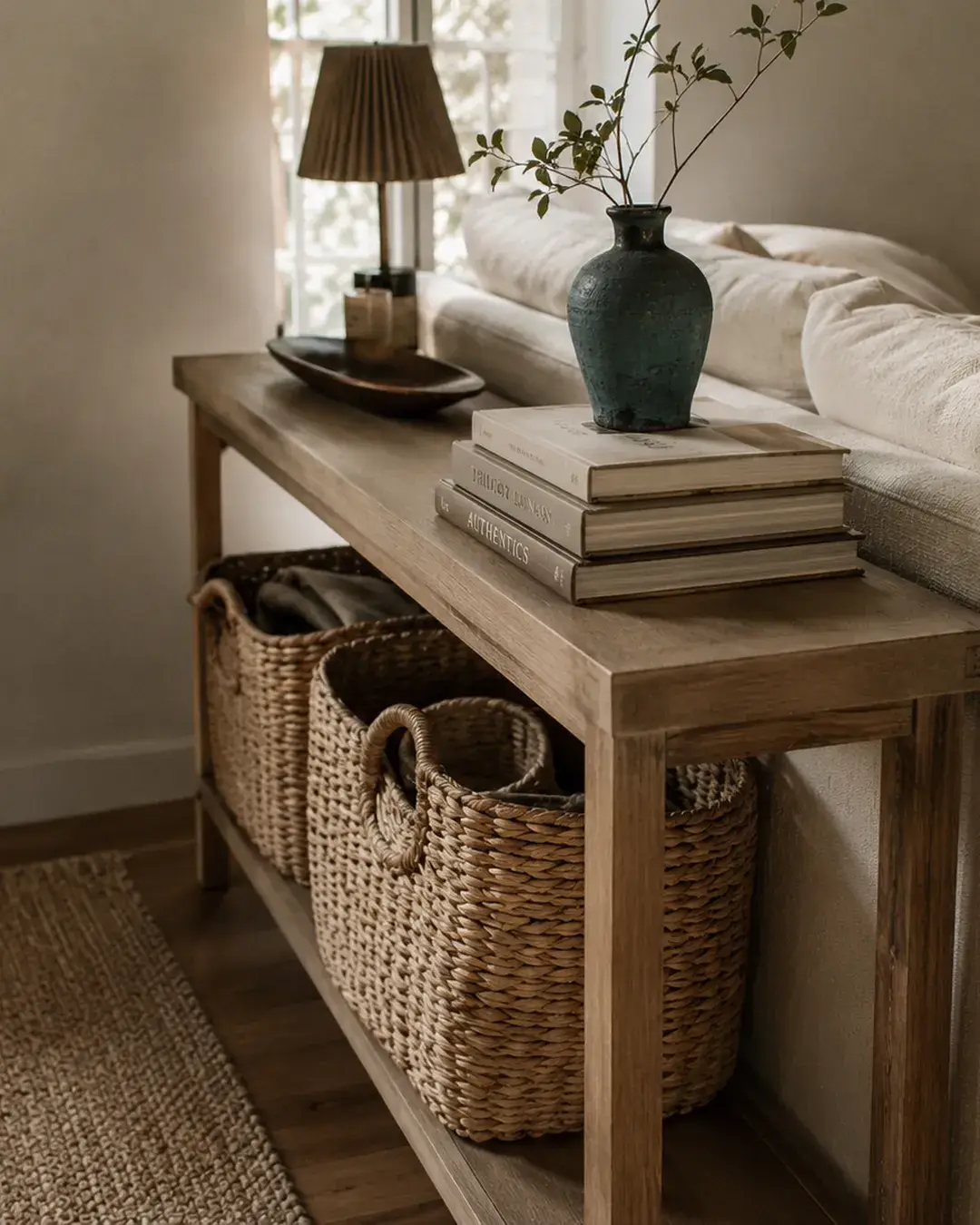
The space behind my couch, since it floats rather than sits against a wall. A slim console table with a couple of baskets underneath reclaims a strip of floor I was previously just walking past.
Window sills. Instead of leaving them bare, I use them as a narrow display shelf for books or small decor. It is functional in a quiet way, and it makes a room feel more finished.
Bamboo trays or small side tables next to an armchair, instead of a full coffee table, if the living room is tight. This gives a landing spot for a coffee cup without the visual and physical bulk of a full table.
Door hinges. Small hooks mounted here can hold light items like bags, scarves, or a robe, in a spot most people never think to use.
Bedside caddies, if there is genuinely no room for even a floating nightstand. They hang off the side of the mattress and hold a phone, glasses, and a book. Not glamorous, but it is functional storage with zero footprint.
Skipping the ironing board entirely. I use the back of a door, or the top of a washing machine, as a pressing surface instead. It is one less bulky item I have to find a place to store.
None of this requires a renovation or a big purchase. It just requires actually looking at your apartment for what is already there instead of what you could add to it.
Buy Smart, the Rules Experienced Renters Swear By
Even the most functional piece of furniture is a bad decision if I buy it wrong. A few rules I have picked up from people who have furnished more than one apartment, and now follow myself.
Measure obsessively, do not eyeball it. Bring a tape measure to the store, not just to your own room. I have seen more than one person fall for a couch on the showroom floor only to have it barely fit their actual living room once it arrived, coffee table and entertainment stand included. If you are moving from a rental into a house, this matters even more, since doorways can be narrower than expected. Furniture that came out of a 36 inch door easily can struggle getting into a 32 inch one.
Facebook Marketplace, before the big retailers. This is the single most repeated piece of advice I have come across from people who have actually furnished a home on a budget, and the price gaps are real. A dining set for 200 dollars that retails for 1,400 new. A designer bed frame for 125 dollars in great condition. I use big retail sites to figure out what style I like, then hunt for the same thing secondhand. Apartment Therapy’s own marketplace power-shoppers follow the same playbook, right down to comparing a listing’s price against retail before messaging the seller.
Buy upholstery new, buy hard furniture used. Fabric and cushions carry someone else’s wear in a way that is hard to fully clean or reset. Wood, metal, and hard surfaces do not have that problem, and that is exactly the category where secondhand deals are best.
Start cheap, then grow into better pieces. You do not need to get it right on the first purchase. Some of the most functional homes I know started with a combined furniture budget under 2,000 dollars, using inherited pieces, secondhand finds, and a couple of budget staples, then upgraded piece by piece once they understood how they actually lived in the space.
Read long term reviews, not launch day ones. A five star review from someone who has had a couch for a week tells me nothing about how it holds up. I look for reviews from people who have lived with the piece for a year or more, since that is where the honest wear and tear information lives.

The Regret Pile, What to Skip
Just as valuable as what to buy is what I, and people I trust, wish had been skipped.
A couch that is only comfortable sitting upright, like sitting in public. Nice in the showroom, rarely used at home. If you want a couch you will actually sink into, test it the way you would actually sit on it, not the way you would sit on it in front of a salesperson.
Bean bag or boneless style furniture, which tends to look worn and shabby within months, however comfortable it starts out.
Cheap dressers with drawers that can only open one at a time, which sounds minor until you are living with it daily.
A large table bought without measuring the room it is going into. It becomes storage closet furniture fast, and a hassle to resell or move.
Furnishing every room the day you move in, before you know how you will actually use each space.
FAQ: Best Tips for Functional Furniture
What makes furniture “functional” instead of just multi-purpose?
Short answer: it is functional if you genuinely use every function it offers, regularly, not just in theory. A coffee table that lifts to become a desk is functional. A coffee table with a lift-top you have opened twice since you bought it is just a coffee table that cost more. The test is whether you would still buy the extra feature if it added ten dollars to the price and no marketing copy told you it existed.
How many multi-purpose furniture pieces does a small apartment actually need?
Short answer: two or three, not every piece in the room. Once every item is trying to do more than one job, a space stops feeling like a home and starts feeling like a showroom demo. Pick the two or three pieces that solve your specific space problems, like a lift-top coffee table for a no-dining-room studio, and let everything else be ordinary furniture that does one thing well.
Should I buy functional furniture new or secondhand?
Short answer: it depends on the material, not the price. Buy hard furniture, like wood, metal, and frames, secondhand, since it does not carry wear the way fabric does. Buy upholstery, like sofas and cushioned chairs, new, since fabric holds onto someone else’s use in a way that is hard to fully clean or reset.
What is the biggest mistake people make when buying functional furniture for a small space?
Short answer: buying for the life they think they should be living instead of the one they actually have. A dining table for dinner parties that never happen, or a desk setup for a work-from-home routine that changed six months ago, ends up as the least functional furniture in the room, no matter how many features it has.
Is it worth spending more on a genuinely multi-functional piece, like a sofa bed or an extendable table?
Short answer: yes, if you can already picture yourself using both functions within the next month. If you are buying it on the hope that you might host guests overnight someday, it is worth waiting until that need is real, since an unused second function is just extra bulk you paid a premium for.
The Exhale
Functional furniture was never supposed to be about doing more with every piece. It is about owning fewer things that actually earn their place. A coffee table that becomes my desk. A bench that hides my winter sweaters and seats four at dinner. A door hinge doing quiet, unglamorous work I never think twice about.
Get this right, and an apartment stops feeling like a series of compromises and starts feeling like somewhere you close the door behind you and think, I am home.